You fill the water bowl in the morning. By lunchtime, it’s empty again. If your dog drinking a lot of water has become the new normal, it’s worth paying attention. Sometimes it’s just a hot day or a salty treat. Other times, it’s an early signal of something bigger.
Thirst is one of those signals pet owners tend to overlook. It’s easy to assume a dog is just being a dog, especially if they still seem happy and energetic otherwise. But water intake is closely tied to how the kidneys, hormones, and blood sugar are functioning behind the scenes. A steady increase over days or weeks is rarely random.
This guide walks through what counts as “too much,” the most common causes, how vets diagnose the problem, and when a change in your dog’s drinking habits means it’s time to pick up the phone.
What Counts as “Dog Drinking a Lot of Water”?
Water needs vary by dog, but vets use a rough benchmark. Consumption above 100 mL per kilogram of body weight per day is generally considered excessive, a threshold cited by Cornell veterinarian Dr. Brian Collins and echoed across veterinary sources.
That works out to roughly:
- A 10 lb dog: over 450 mL (about 2 cups) a day
- A 30 lb dog: over 1,350 mL (about 5.5 cups) a day
- A 60 lb dog: over 2,700 mL (about 11 cups) a day
This medical term for excessive drinking is polydipsia. It almost always travels with polyuria, meaning increased urination, since what goes in has to come out.
How to Actually Measure It
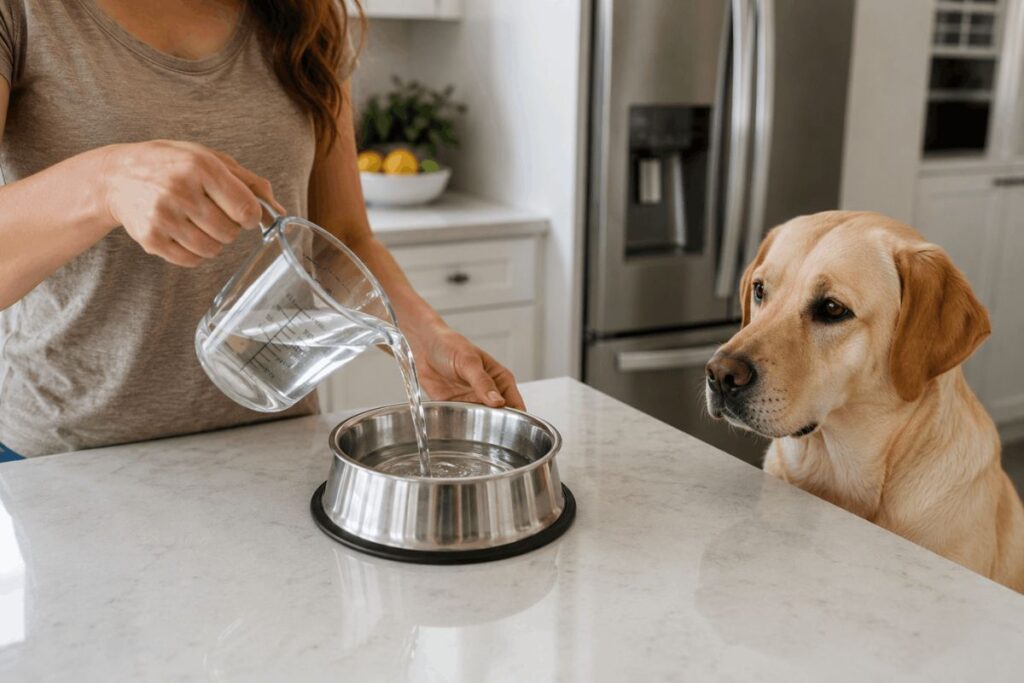
Guessing from a shared water bowl is unreliable, especially with multiple pets. Fill a measuring cup, pour it into the bowl, and track how much is gone (and how much your dog spilled or played in) over 24 hours. A few days of data give your vet something concrete to work with.
It also helps to note the pattern, not just the total. Is your dog draining the bowl all at once after a walk, or sipping constantly throughout the day and night? Constant, round-the-clock drinking is more suggestive of an underlying medical cause than a single big drink after exercise.
Does Age Change What’s Normal?
Life stage matters. Puppies have less-developed kidney concentrating ability and naturally drink more relative to their size until they’re several months old. Senior dogs, on the other hand, are more likely to develop the chronic conditions on this list, so a new increase in thirst in an older dog deserves a closer look sooner rather than later.
Common Causes of Increased Thirst in Dogs
1. Heat, Exercise, and Diet
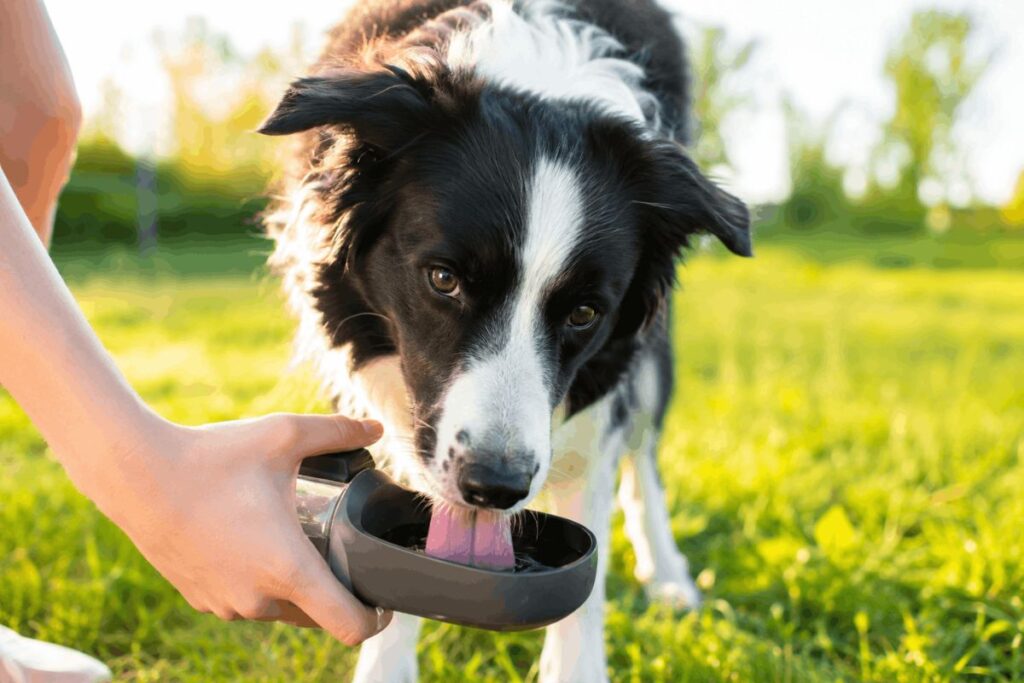
The simplest explanations first. Hot weather, a long hike, or a recent switch to dry kibble from wet food will all bump up water intake. This kind of increase is temporary and tracks with an obvious trigger.
Salty table scraps, jerky treats, or a new brand of food can also nudge thirst upward for a day or two. The key giveaway with this category is that it resolves on its own. Once the weather cools, the exercise stops, or the diet settles, water intake should return to its usual baseline within a few days.
One important exception: if heat exposure is severe, increased thirst can be an early sign of heatstroke rather than a harmless response to warm weather. Watch for drooling, restlessness, vomiting, or breathing difficulty alongside the drinking. If those appear, this becomes an emergency, not a wait-and-see situation, and your dog needs to be moved somewhere cool and taken to a vet right away.
2. Urinary Tract Infection (UTI)
A bladder infection can cause a dog to feel like they constantly need to urinate, which in turn drives them to drink more to keep up with the fluid loss. Straining to pee, blood-tinged urine, or frequent small accidents often go along with it.
UTIs are usually one of the more treatable causes on this list, typically resolving with a course of antibiotics once confirmed by a urine culture. Still, it’s worth ruling out alongside the more serious hormonal and kidney-related causes, since the symptoms can overlap.
3. Kidney Disease
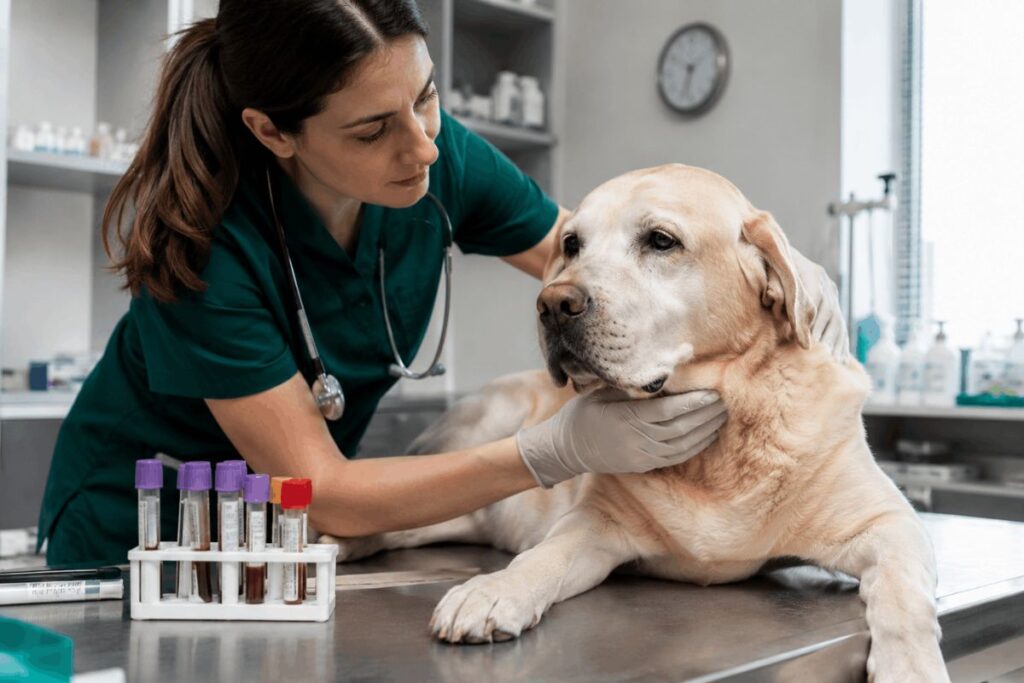
Chronic kidney disease is one of the most common medical causes of polydipsia in dogs. Damaged kidneys lose their ability to concentrate urine, so the body loses more water and the dog compensates by drinking more.
This tends to develop gradually, which is part of what makes it easy to miss early on. By the time obvious symptoms appear, such as weight loss or a dull coat, a meaningful amount of kidney function may already be affected. Regular bloodwork in middle-aged and senior dogs is one of the best ways to catch this early.
4. Diabetes Mellitus
Diabetes causes excess sugar in the blood, which pulls water into the urine and triggers constant thirst. Weight loss despite a normal or increased appetite often shows up alongside it.
Some owners first notice something is wrong when their dog develops cloudy eyes, a sign of diabetic cataracts forming. Left unmanaged, diabetes can progress quickly, so a fasting blood glucose test is usually one of the first things a vet will check when polydipsia is reported.
5. Cushing’s Disease (Hyperadrenocorticism)
This hormonal condition, caused by excess cortisol, is a frequent culprit in older dogs. Along with drinking more, dogs may develop a pot-bellied appearance, thinning fur, and increased appetite.
Cushing’s develops slowly, and its signs can be mistaken for normal aging. Excess panting, skin infections, and muscle loss around the limbs are other clues that often accompany the increased thirst. Diagnosis typically requires specific hormone testing rather than standard bloodwork alone.
6. Addison’s Disease (Hypoadrenocorticism)
Addison’s disease is, in some ways, the mirror image of Cushing’s: instead of too much cortisol, the adrenal glands produce too little. It’s rarer, but it can also drive increased thirst and urination.
This condition is sometimes called “the great pretender” because its symptoms, including lethargy, vomiting, and poor appetite, come and go and can mimic other illnesses. A specific hormone test (an ACTH stimulation test, the same test used for Cushing’s) is needed to confirm it.
7. Pyometra (in Unspayed Females)
A uterine infection in intact female dogs can cause a sharp rise in thirst and urination. This is a veterinary emergency, particularly if paired with lethargy, vomiting, or vaginal discharge.
Pyometra typically develops a few weeks after a heat cycle, as hormonal changes leave the uterus vulnerable to infection. Toxins released into the bloodstream affect the kidneys’ ability to concentrate urine, which is what drives the sudden spike in thirst. Because this condition can become life-threatening quickly, any unspayed female showing these signs needs same-day veterinary attention.
8. Medications
Certain drugs are known to increase thirst as a side effect. Corticosteroids are the most common example, along with some diuretics and anti-seizure medications like phenobarbital.
If your dog recently started a new prescription and the water bowl needs refilling more often, mention it at the next check-up rather than stopping the medication on your own. In many cases, this kind of increased thirst is an expected and manageable side effect rather than a sign that something is wrong.
9. Leptospirosis
This bacterial infection, spread through contaminated water and infected rodent urine, attacks the liver and kidneys and can cause a sharp increase in thirst and urination. It’s most often picked up from stagnant puddles, ponds, or other standing water.
Leptospirosis can be fatal if left untreated, and it’s also zoonotic, meaning it can spread to humans in the household. If your dog has been swimming or drinking from puddles and isn’t current on their leptospirosis vaccine, sudden excessive thirst is a reason to get to a vet promptly rather than waiting it out.
10. Gastrointestinal Upset
Dogs often drink more water when their stomachs are unsettled. This can show up with mild gastroenteritis, pancreatitis, inflammatory bowel disease, or, less commonly, something more serious like a foreign body obstruction.
Vets aren’t entirely sure whether dogs drink to soothe nausea or to induce vomiting, but the pattern is common enough to be worth mentioning. If the increased drinking comes with vomiting, diarrhea, or a reluctance to eat, it points toward the gut rather than the kidneys or hormones, and still warrants a vet visit.
11. Electrolyte Imbalance or Dehydration
It sounds counterintuitive, but dehydration and electrolyte imbalances can themselves drive a dog to drink excessively as the body tries to correct itself. This can follow vomiting, diarrhea, heavy panting, or a high-sodium meal.
Signs to watch for include tacky or dry gums, ropy saliva, lethargy, and weakness. If your dog seems off in these ways alongside the drinking, it’s worth a same-day check rather than assuming it will resolve on its own.
12. Psychogenic (Behavioral) Polydipsia
Less commonly, dogs drink excessively out of boredom, stress, or simple habit, with no underlying illness. This is typically seen in young, high-energy, large-breed dogs and is only diagnosed after medical causes have been ruled out.
Since this is a diagnosis of exclusion, don’t jump to the conclusion that your dog is “just bored” without ruling out the medical causes above first. Once illness is off the table, enrichment tools like puzzle feeders, more structured exercise, and a consistent daily routine can help curb the habit over time.
Causes at a Glance
| Cause | Typical Age/Type | Other Common Signs |
| UTI | Any age, more common in females | Straining to pee, blood in urine, small frequent accidents |
| Kidney disease | Middle-aged to senior | Reduced appetite, weight loss, vomiting |
| Diabetes mellitus | Middle-aged to senior | Weight loss, increased hunger, cloudy eyes |
| Cushing’s disease | Senior | Pot-bellied appearance, hair loss, panting |
| Addison’s disease | Young to middle-aged | Lethargy, vomiting, symptoms that wax and wane |
| Pyometra | Unspayed females | Lethargy, discharge, recent heat cycle |
| Medication side effect | Any age, on relevant drugs | Timing lines up with starting the medication |
| Leptospirosis | Any age, exposed to standing water | Fever, jaundice, sudden lethargy |
| GI upset | Any age | Vomiting, diarrhea, reduced appetite |
| Electrolyte imbalance | Any age, often after illness | Dry or tacky gums, weakness, ropy saliva |
| Psychogenic polydipsia | Young, active, large breeds | No other symptoms; ruled out last |
Medical vs. Behavioral: A Quick Comparison
| Feature | Medical Polydipsia | Behavioral Polydipsia |
| Onset | Often gradual, tied to disease progression | Can appear with boredom or new stressors |
| Accompanying symptoms | Weight change, lethargy, appetite shifts | Usually, otherwise healthy and active |
| Urine concentration | Often dilute on testing | Frequently normal once water is regulated |
| Diagnosis method | Bloodwork, urinalysis, imaging | Diagnosis of exclusion after tests are clear |
Which Causes Need Urgent Care?
| Urgency | Causes | What to Do |
| Same-day emergency | Pyometra, leptospirosis, heatstroke, severe electrolyte imbalance | Go to a vet or emergency clinic immediately |
| Prompt vet visit (within a few days) | UTI, diabetes, Addison’s, GI upset, new medication side effects | Schedule an appointment; don’t wait for symptoms to worsen |
| Monitor and manage | Kidney disease, Cushing’s disease (once diagnosed and stable) | Follow your vet’s ongoing treatment and monitoring plan |
| Track for a few days first | Heat, exercise, diet changes, suspected behavioral drinking | Watch for resolution; see a vet if it persists |
When to See a Vet
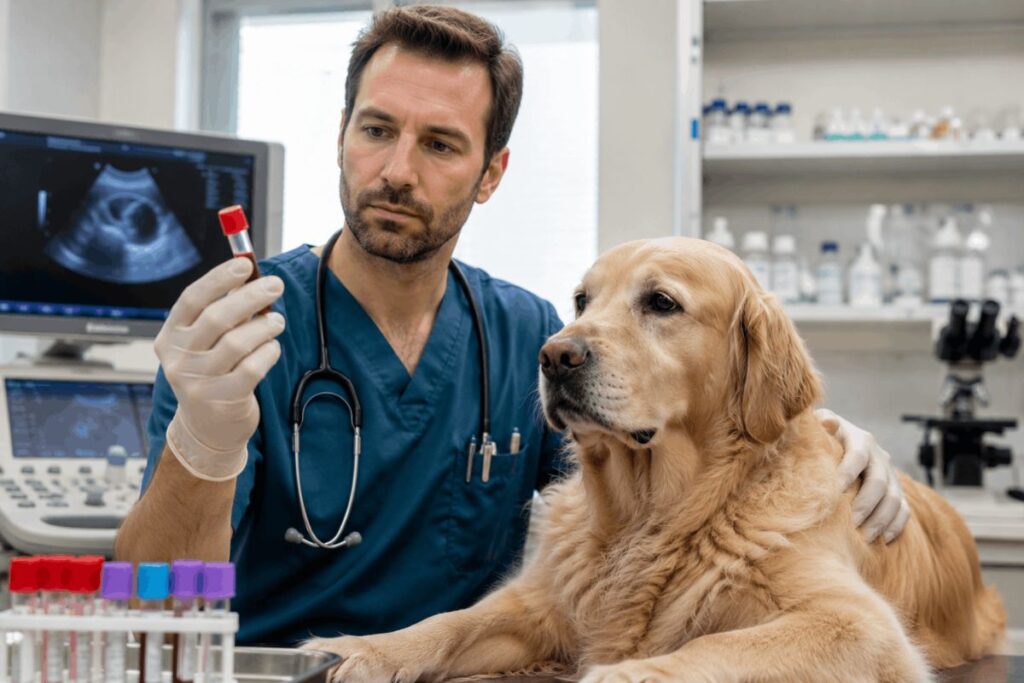
Don’t wait if you notice any of the following alongside the increased drinking:
- Increased urination or accidents in the house
- Weight loss or a drop in appetite
- Lethargy, vomiting, or diarrhea
- Straining to urinate or blood in the urine
- Dry or tacky gums, ropy saliva, or excessive panting
- A previously diagnosed condition like kidney disease or diabetes showing new symptoms
A sudden, sharp increase in thirst combined with other symptoms is more likely to signal an emergency and warrants prompt veterinary attention rather than a wait-and-see approach.
One important note: don’t attempt a water deprivation test at home. Restricting a dog’s water to “test” the cause can be dangerous and should only ever be done under veterinary supervision.
What Your Vet Will Likely Do
Diagnosis usually starts with a physical exam and a detailed history, covering how long the increase has been happening and roughly how much water your dog drinks daily. From there, standard first-line tests include:
- Complete blood count (CBC)
- Blood chemistry panel
- Urinalysis
Depending on the results, your vet may recommend imaging (ultrasound or X-rays) or hormone testing, such as an ACTH stimulation test for Cushing’s or Addison’s disease. If leptospirosis or a UTI is suspected, expect a urine culture and possibly a specific blood test, and make sure your dog’s leptospirosis vaccine stays current going forward.
Managing and Supporting a Dog With Increased Thirst
While you’re waiting on a diagnosis or managing a confirmed condition long-term, a few practical habits make daily life easier for both of you:
- Keep water always available. Never restrict water on your own, even if the constant refilling is frustrating. Dehydration is more dangerous than the underlying cause in almost every scenario.
- Add extra potty breaks. More water in means more water out. Extra walks or a dog door can prevent accidents tied to increased urination.
- Track patterns in a simple log. Note daily water intake, urination frequency, and any other symptoms. This log becomes valuable evidence at vet visits.
- Stick to the treatment plan. Conditions like diabetes and Cushing’s disease are usually manageable long-term with consistent medication, diet, and monitoring, even though they aren’t curable.
- Schedule regular senior bloodwork. For dogs over seven, annual or twice-yearly bloodwork can catch kidney and hormonal issues before thirst even becomes noticeable.
Frequently Asked Questions
Q: How much water is normal for a dog to drink?
A healthy dog typically drinks around 50 mL per kilogram of body weight daily, though this varies with diet, activity, and weather.
Q: Can dry food alone cause more drinking?
Yes. Dogs on dry kibble typically drink more than dogs on wet food, since wet food already supplies a good amount of moisture.
Q: Is excessive thirst always a sign of diabetes?
No. Diabetes is one possible cause among several, including kidney disease, Cushing’s disease, and simple behavioral habits.
Q: Should I restrict my dog’s water if they’re drinking too much?
No, not without veterinary guidance. Restricting water can be harmful and won’t address the underlying cause.
Q: Can stress or boredom really cause a dog to drink more?
Yes, this is known as psychogenic polydipsia, though it’s diagnosed only after medical causes have been ruled out.
Q: What breeds are more prone to drinking a lot of water?
Young, active, large-breed dogs are more commonly associated with behavioral polydipsia, though any breed can develop medical causes of excessive thirst.
Q: Can increased thirst come and go, or is it always constant once it starts?
Medical causes tend to be persistent and often worsen gradually over time, while temporary triggers like heat or exercise resolve within a few days once the trigger is gone.
Q: Is it normal for older dogs to drink more water than they used to?
Not automatically. While thirst can shift somewhat with age, a noticeable increase in a senior dog is common enough with kidney disease and Cushing’s disease that it’s worth a vet visit rather than dismissing it as normal aging.
Final Thoughts
A dog drinking a lot of water isn’t automatically a crisis, but it’s not something to shrug off either. Track how much and how often, watch for other symptoms, and loop in your vet if anything feels off.
Most of the underlying causes, from kidney disease to diabetes to Cushing’s, are manageable with the right treatment plan, especially when caught early. Even behavioral polydipsia responds well to a bit of patience and enrichment once medical causes are ruled out.
Trust your instincts here. You know your dog’s normal habits better than anyone, and catching a change early gives your vet the best shot at a straightforward diagnosis and a good outcome.