
Your dog is just lying there — no walk, no heat, nothing exciting happening — and they won’t stop panting.
Why is my dog panting so much even when they’re resting? This is one of the most common concerns among dog owners. Your dog is just lying there — no walk, no heat, nothing exciting happening — and they won’t stop panting.
This guide covers every major reason why your dog is panting so much, from normal cooling behavior to urgent medical conditions — plus exactly when you need to pick up the phone and call your vet.
What Normal Dog Panting Actually Looks Like
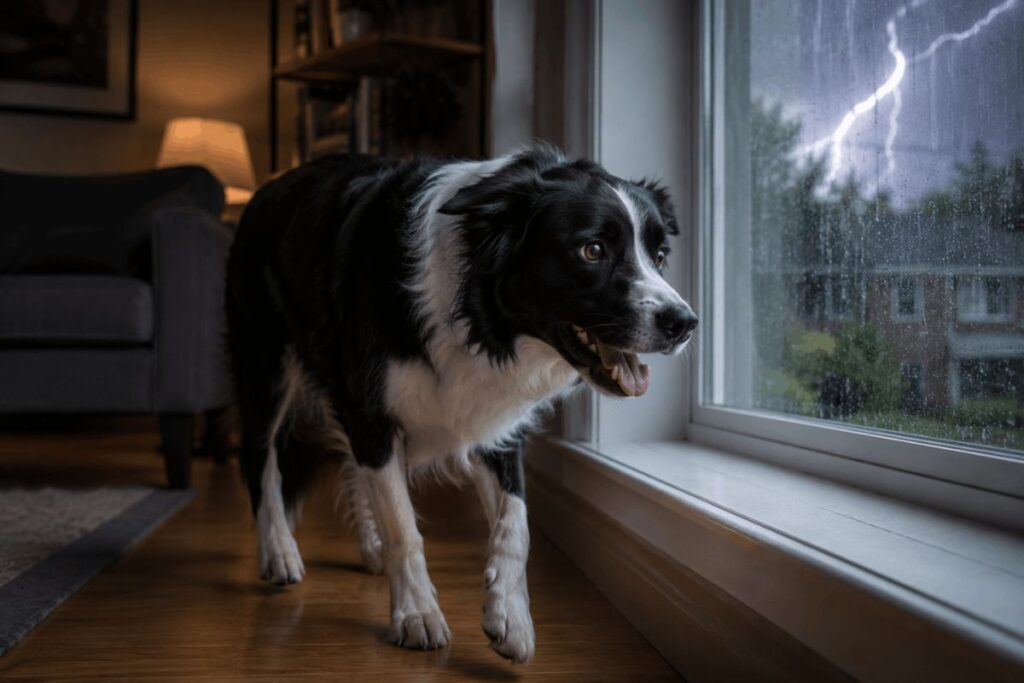
Panting is one of a dog’s most essential survival tools. Unlike humans, dogs can’t cool themselves through sweating across their skin. Instead, they rapidly exchange hot air for cool air through open-mouth breathing, which speeds up the evaporation of moisture from the tongue, mouth, and upper airways. That evaporation is what pulls heat out of their body.
Normal panting typically looks steady and rhythmic. It usually starts after exercise, during warm weather, or when your dog is excited. It should slow down and stop within a few minutes once your dog rests or cools down.
How Many Breaths Per Minute Is Normal?
| State | Normal Breathing Rate | When to Be Concerned |
| Resting / sleeping | 15–35 breaths/min | Over 40 breaths/min at rest |
| After light exercise | 30–60 breaths/min | Doesn’t slow after 10 min rest |
| Hot weather / play | Up to 100+ breaths/min | Paired with red gums or weakness |
| Senior dogs (at rest) | 15–30 breaths/min | Sudden increase without cause |
A healthy resting dog takes between 15 and 35 breaths per minute. Anything consistently over 40 breaths per minute while your dog is calm and resting is worth investigating.
What Owners Usually Notice First
Most owners first notice the panting at an odd moment — late at night, during a relaxing evening on the couch, or right after a meal. The dog isn’t hot. Nothing stressful just happened. And yet they won’t stop.
Maria, a Labrador owner from Texas, describes it perfectly: “Beau started panting every night around 10pm. He’d just finished his walk hours earlier. I kept thinking he was just warm, but then I noticed he was also pacing. That combo was what finally made me call the vet.”
That pattern — panting plus restlessness, especially at night or at rest — is one of the most reliable signals that something beyond normal cooling is going on.
Why Is My Dog Panting So Much? 10 Most Common Causes
1. Heat, Exercise, and Excitement
The three most common and harmless causes. After a walk, a play session, or simply getting excited when you come home, panting is completely expected. This type settles on its own within 5–10 minutes.
Watch for panting that doesn’t slow down after rest, or panting that comes with bright red gums, drooling, and weakness. Those signs point toward heatstroke — a true medical emergency that needs immediate veterinary care.
2. Anxiety and Stress
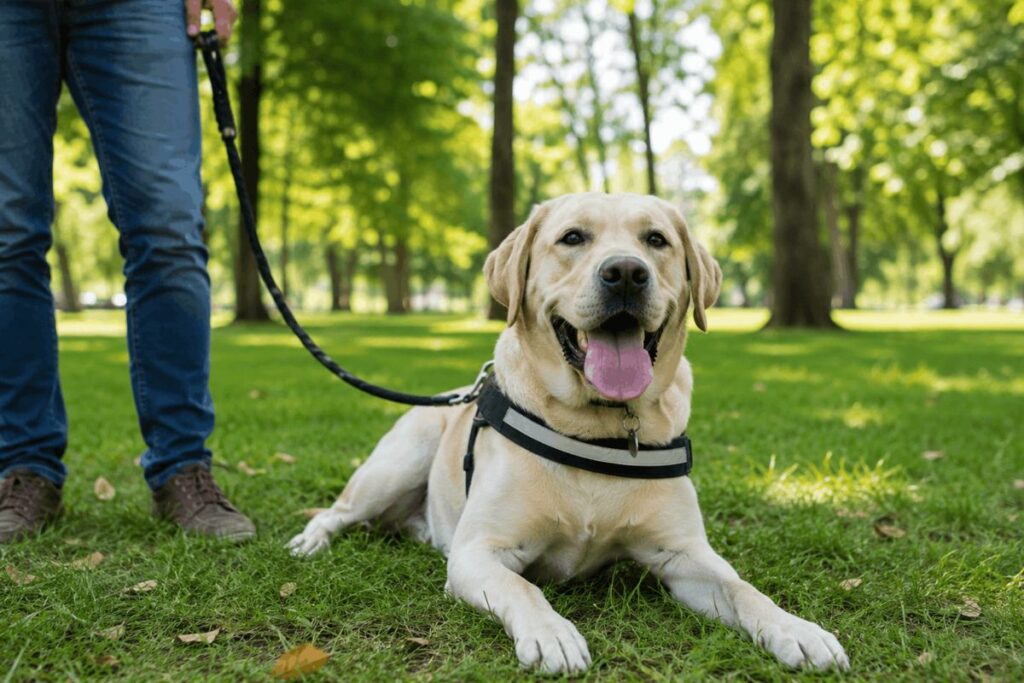
Panting is one of the first physical signs of anxiety in dogs. When a dog feels stressed, their body releases adrenaline, raising both heart rate and respiratory rate — and the result is panting even when they’re physically cool.
Common anxiety triggers include thunderstorms, fireworks, car rides, vet visits, separation from their owner, and changes in routine. You’ll often see other signs alongside the panting: pacing, yawning, lip licking, or hiding.
3. Pain and Discomfort
Dogs are naturally good at hiding pain — panting is often one of the only visible clues something hurts. A dog experiencing pain from arthritis, an injury, post-surgical discomfort, or internal issues may pant persistently without any other obvious sign.
If your dog is panting and also seems reluctant to move, stiff getting up, or eating less than usual, pain should be high on your list of concerns. Don’t wait — book a vet visit.
4. Serious Medical Conditions
Several health conditions cause chronic, excessive panting that doesn’t follow any obvious trigger.
| Condition | Why It Causes Panting | Other Signs to Watch |
| Cushing’s Disease | Adrenal glands overproduce cortisol | Pot belly, increased thirst, hair loss |
| Heart Failure | Reduced oxygen circulation | Coughing, fatigue, exercise intolerance |
| Respiratory Disease | Reduced oxygen intake | Labored breathing, blue-tinged gums |
| Anemia | Low red blood cell count | Pale gums, weakness, lethargy |
| Poisoning / Toxins | Body in acute distress | Vomiting, trembling, disorientation |
Cushing’s disease is particularly common in middle-aged and senior dogs, and excessive panting is often its most noticeable early sign. Dogs with heart failure pant consistently because they struggle to maintain normal oxygen levels — even at rest.
5. Medications and Breed Factors
Certain medications, especially corticosteroids like prednisone, commonly cause increased panting as a side effect. If your dog recently started a new medication and the panting appeared shortly after, mention it to your vet at the next check-in.
Brachycephalic breeds — Bulldogs, Pugs, French Bulldogs, Boston Terriers — are anatomically prone to heavier, more labored panting. Their shortened airways make breathing less efficient, so they pant more frequently even without an underlying health problem. Overweight dogs also pant more than average because excess body fat increases heat retention.
Why Is My Dog Panting So Much at Night?
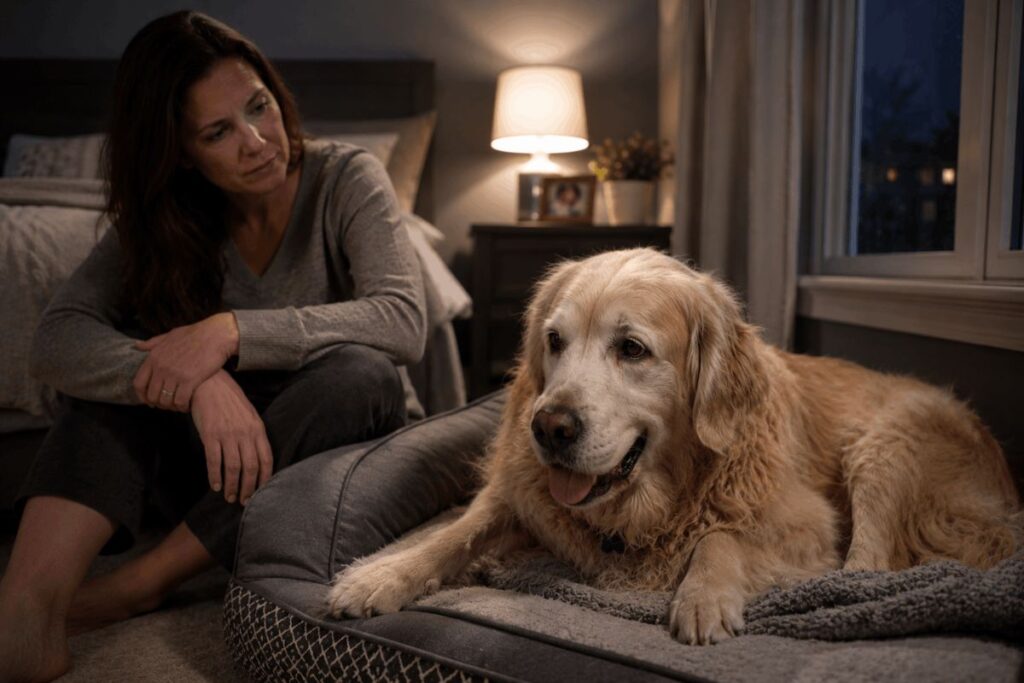
Nighttime panting is one of the most worrying patterns for owners because there’s no obvious trigger. Your dog isn’t running. It isn’t hot. They should be asleep.
A few things are especially worth considering. Separation anxiety is a major cause — dogs who sleep away from their owners may feel stressed during the night, especially if routines change. Cognitive dysfunction in older dogs (similar to dementia in humans) often causes nighttime restlessness, confusion, and panting. Senior dogs may also pace, stare at walls, or seem disoriented during these episodes.
| Cause | Most Likely Age | Other Signs |
| Separation anxiety | Any age | Pacing, whining, destructive behavior |
| Pain (arthritis) | Senior dogs | Stiffness, reluctance to get up |
| Cognitive dysfunction | Dogs 10+ | Disorientation, changed sleep patterns |
| Cushing’s disease | Middle-aged to senior | Increased thirst, pot belly |
| Overheating | Any age | Restlessness, red gums |
If nighttime panting is new, consistent, and paired with restlessness or behavioral changes — don’t guess. A vet visit is the fastest way to an answer.
When to Call the Vet — Red Flag Symptoms
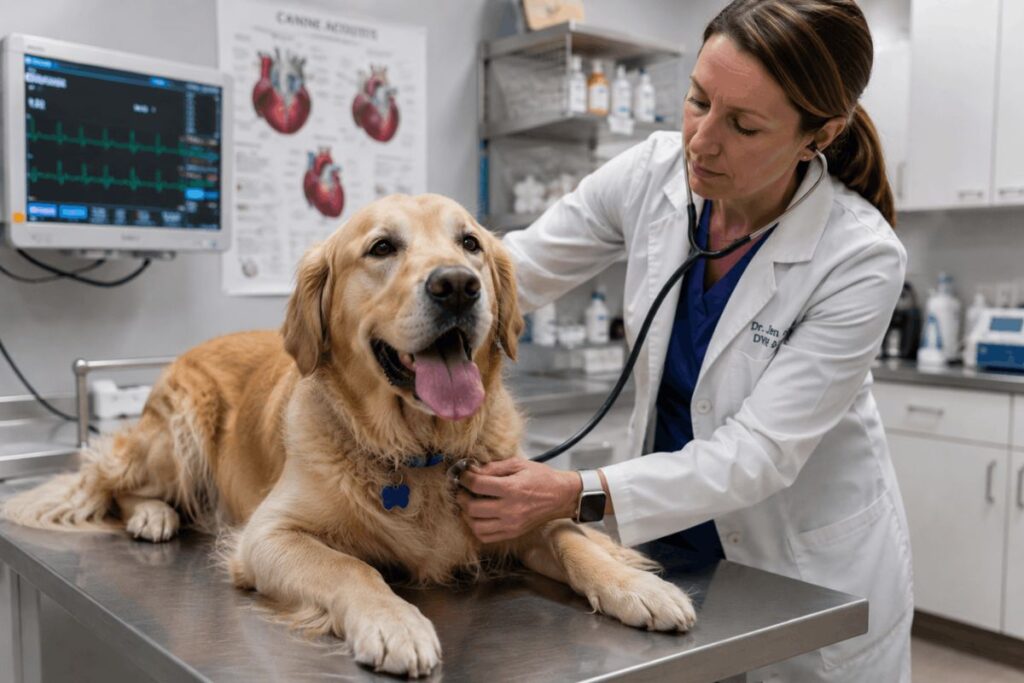
Most panting is temporary and has a clear cause. But certain combinations of signs demand immediate veterinary attention — same day or emergency.
Call your vet right away if your dog’s panting is paired with any of the following:
- Pale, blue, or bright red gums — normal gums should be pink and moist
- Confusion or disorientation — stumbling, not responding to their name
- Weakness or collapse — unable to stand or walk normally
- Heavy panting at rest with no trigger — especially in a cool environment
- Panting that suddenly appeared and won’t stop
- Swollen abdomen — especially in large breeds, this can signal bloat
If you’re unsure whether it’s urgent, check your dog’s gum color. Gently lift their lip — if gums are anything other than pink and moist, don’t wait. Call an emergency vet immediately. Persistent panting at rest should never be ignored, especially in older dogs.
Frequently Asked Questions
Q: Why is my dog panting so much for no reason?
Panting that appears without an obvious trigger — no heat, exercise, or excitement — often points to pain, anxiety, or an underlying medical condition like Cushing’s disease or heart issues. A vet exam is the best next step.
Q: When should I be worried about my dog panting?
Be concerned when panting happens at rest in a cool environment, continues for more than 10–15 minutes without slowing down, or is paired with pale gums, weakness, restlessness, or confusion. These combinations need prompt vet attention.
Q: What does abnormal panting look like?
Abnormal panting sounds harsher or more labored than normal. It occurs without an obvious cause, doesn’t settle after rest, happens at night or during sleep, and is often paired with restlessness, behavior changes, or other physical symptoms.
Q: Can anxiety cause excessive panting in dogs?
Yes — anxiety is one of the most common causes of excessive panting in dogs. Stress triggers an adrenaline response that raises respiratory rate. You’ll usually see other signs too: pacing, yawning, lip licking, or hiding.
Q: Why is my old dog panting so much at night?
Senior dogs commonly pant at night due to cognitive dysfunction (canine dementia), arthritis pain, Cushing’s disease, or heart problems. Any new pattern of nighttime panting in an older dog should be evaluated by a vet — it’s rarely just old age.
Final Thoughts — When Panting Is More Than Just Panting
Panting rarely starts as an emergency. It usually begins as something you notice once, then twice, then every day — until you find yourself Googling “why is my dog panting so much” at midnight.
That instinct to look it up is worth trusting. Most causes of excessive panting are treatable, especially when caught early. From anxiety management to Cushing’s medication to simply adjusting your dog’s sleep environment — there’s almost always something that can be done.
If your dog’s panting feels off, don’t wait for it to get worse. A quick vet visit is almost always faster, cheaper, and kinder than a delayed diagnosis.
For more expert-backed dog health advice, explore the rest of our blog — your dog’s comfort is always worth the click.