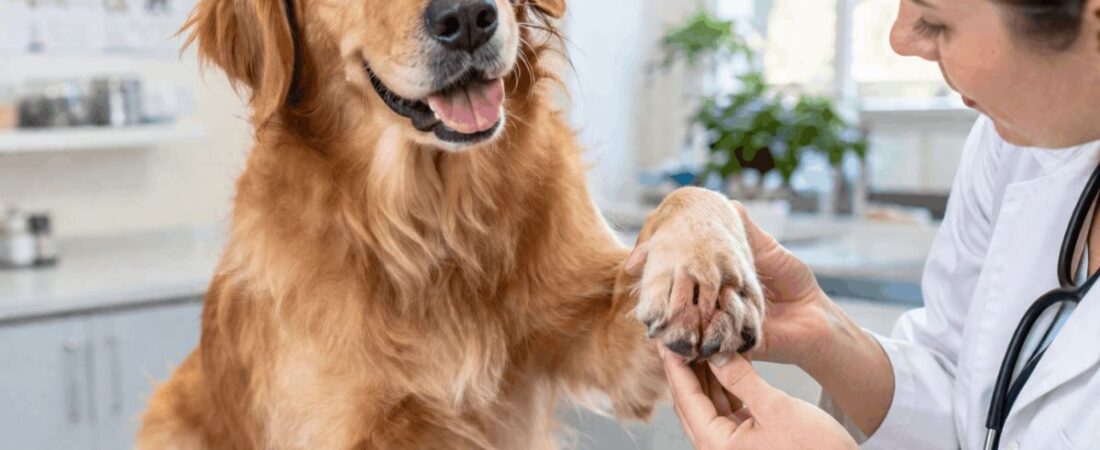
If your dog won’t stop licking, chewing, or gnawing at their feet, a dog paw yeast infection could be the reason. This common but uncomfortable condition shows up as redness, a strong odor, and irritated skin between the toes.
The good news: it’s very treatable once you know what’s driving it. This guide walks through every symptom variation, the real causes, how vets diagnose it, which treatments actually work, which home remedies are myths (or unsafe), and how to keep it from coming back.
What Is a Dog Paw Yeast Infection?
Every dog carries a small population of yeast on their skin, most commonly a species called Malassezia pachydermatis. In normal amounts, it’s harmless. Problems start when something disrupts the skin’s balance and lets that yeast multiply out of control.
Paws are a favorite target because the spaces between the toes — called interdigital spaces — stay warm, dark, and often damp. That combination is exactly what yeast needs to thrive.
A paw yeast infection is technically a form of yeast dermatitis, not a disease on its own. It’s almost always secondary, meaning something else weakened the skin first and let the yeast take over. This is why vets treat both the yeast itself and whatever triggered the imbalance.
The same yeast can also affect other parts of the body, most commonly the ears. If your dog is also shaking their head or scratching at their ears, it’s worth reading up on dog ear infection symptoms to see whether both issues are connected.
How This Differs From a Healthy Paw Microbiome
A dog’s paws are never sterile. A normal, healthy paw carries a mix of resident bacteria and a small amount of yeast, and this is part of what gives dog feet their familiar faint “corn chip” smell. An infection isn’t the presence of yeast — it’s an overgrowth that tips the balance into inflammation, odor, and discomfort.
How to Tell It Apart From Similar Paw Conditions

Several paw problems look alike at first glance, which is why so many owners search for a comparison before booking a vet visit. Here’s how the main lookalikes differ.
Yeast Infection vs. Bacterial Paw Infection
Yeast and bacteria frequently show up together on infected paws, and the symptoms overlap heavily. Vets typically need a skin test to tell them apart.
| Feature | Yeast Infection (Malassezia) | Bacterial Infection |
| Odor | Musty, “Frito” or corn-chip smell | Often sharper, sometimes sour |
| Discharge | Brown, greasy | Yellow or pus-like |
| Skin appearance | Darkened, thickened, greasy | Red bumps, pustules |
| Common treatment | Antifungal (miconazole, ketoconazole) | Antibiotic (topical or oral) |
Yeast Infection vs. Paw Allergies (Atopic or Contact Dermatitis)
Allergies and yeast overgrowth often travel together, which makes them easy to confuse. An allergy is the underlying itch-inflammation problem; a yeast infection is frequently what follows once allergic skin is inflamed and moist. Dogs with true allergic paw dermatitis usually show itching in other spots too, like the belly, armpits, or ears, not just the feet.
Yeast Infection vs. Interdigital Cysts (“Pillow Foot”)
Interdigital cysts, sometimes nicknamed pillow foot, look different from a typical yeast infection. They appear as raised, often painful red or purple nodules between the toes, sometimes with visible swelling or a burst cyst leaving a small blood spot. Allergy-driven inflammation and friction from short, coarse fur are common triggers, and treatment usually needs antibiotics and management of the underlying allergy rather than antifungals alone.
Yeast Infection vs. Mange (Demodex or Sarcoptic)
Mange is caused by microscopic mites rather than yeast, and it tends to cause more intense hair loss, scabbing, and widespread itching beyond the paws. Because mange, yeast, and bacterial infections can look nearly identical on the surface, a vet skin scrape is the only reliable way to rule mange in or out.
Yeast Infection vs. Ringworm
Despite the name, ringworm is also a fungal infection rather than a worm, which is why it sometimes gets confused with yeast overgrowth. The two look quite different up close, though: ringworm typically causes circular patches of hair loss with a scaly, crusty ring pattern, rather than the greasy, darkened skin and odor typical of yeast. If you’re unsure which one you’re dealing with, this breakdown of what ringworm looks like on a dog is a useful side-by-side reference.
Symptoms of a Dog Paw Yeast Infection

Yeast overgrowth on the paws produces a fairly recognizable pattern of signs, though the exact combination varies from dog to dog. Catching them early makes treatment faster and less stressful.
- Constant licking, chewing, or biting at one or more paws
- Redness or inflammation between the toes
- A strong, musty, “corn chip” or “Frito feet” smell
- Brown or greasy discharge and staining on light-colored fur
- Thickened, darkened, or leathery-looking skin
- Flaky, crusty, or greasy patches on the paw pads
- Hair loss around the toes and pads
- Swelling or visible sensitivity when the paw is touched
- Behavioral changes like irritability, limping, or reluctance to walk
Why Do Dog Paws Smell Like Fritos?
A mild corn-chip smell on dog paws is usually normal, coming from bacteria and yeast that naturally live on the skin. Vets sometimes call this “Frito feet,” and by itself it isn’t cause for alarm.
But when the odor turns unusually strong and is paired with redness, it’s typically a sign of a yeast or bacterial infection that a vet should evaluate. A quick shift from “faint corn chip” to “overwhelming smell” is one of the clearest red flags owners notice first.
Can a Yeast Infection Turn a Dog’s Paw Black or Dark?
Yes. Chronic yeast overgrowth often causes the skin to darken and thicken over time, a change sometimes described as looking leathery or elephant-like. This darkening (hyperpigmentation) is the skin’s inflammatory response and tends to fade gradually once the infection clears, though long-standing cases may take longer to fully lighten.
Why Is Only One Paw Affected?
It’s common for owners to notice symptoms concentrated in a single foot rather than all four. Localized moisture, an old cut or abrasion, uneven exposure to an allergen like a specific patch of lawn, or simple habit (some dogs favor licking one particular paw) can all explain why one foot looks worse than the others.
Chronic and Recurrent Symptom Patterns
Some dogs experience a cycle: paw looks better after treatment, then flares again within weeks. This pattern almost always points to an unaddressed underlying cause rather than treatment failure itself, since the yeast keeps returning to the same favorable environment.
What Causes Yeast Infections on Dog Paws?
Yeast overgrowth almost never happens for no reason. It’s the result of one or more underlying triggers disrupting the skin’s natural microbial balance. According to Merck Veterinary Manual, yeast dermatitis in dogs is often linked to underlying skin problems such as allergies.
| Cause | How It Contributes |
| Allergies (environmental or food) | Inflames skin, weakens the skin barrier, increases moisture |
| Excess moisture | Swimming, rain, or damp grass keeps paws wet longer |
| Skin folds or thick fur between toes | Traps warmth and humidity against the skin |
| Weakened immune system | Body can’t keep normal yeast levels in check |
| Underlying hormonal disease | Hypothyroidism or Cushing’s disease raise infection risk |
| Recent antibiotic or steroid use | Can disrupt the skin’s normal microbial balance |
| Injury to the paw | Cuts or abrasions trigger licking, creating a moist, damaged entry point |
| Obesity or excess friction | Extra weight and rubbing between toes irritate the skin |
| Seasonal humidity | Warm, muggy weather or allergy season increases risk |
Are Some Dog Breeds More Prone to Paw Yeast Infections?
Yes. Bulldogs, Cocker Spaniels, Basset Hounds, Retrievers, Shih Tzus, Poodles, English Setters, West Highland White Terriers, English Springer Spaniels, and Dachshunds are the breeds most often associated with paw pad yeast infections. Breeds with skin folds, floppy ears, or dense hair between the toes tend to trap moisture more easily, and water-loving breeds face extra exposure from frequent swimming.
Is a Recurring Yeast Infection a Sign of Something Bigger?
Repeated infections are a signal, not just bad luck. Because yeast infections are usually secondary rather than primary, vets look for an underlying condition when infections keep coming back. Recurrent Malassezia infections have specifically been linked to hormonal disorders such as hypothyroidism and Cushing’s disease, as well as unmanaged environmental or food allergies. Chronic cases often need bloodwork or allergy testing rather than another round of the same topical cream.
Can Diet Cause Yeast Infections in Dogs’ Paws?
Diet is a genuinely debated area. Food allergies can trigger the skin inflammation that lets yeast take hold, so an identified food sensitivity is worth addressing with your vet. However, the popular idea that carbohydrates or sugar in dog food directly “feed” yeast overgrowth isn’t backed by strong clinical evidence, and switching to a grain-free diet on that basis alone hasn’t been shown to prevent or cure paw yeast infections. It’s also worth knowing that grain-free formulas have separately raised concerns about heart disease risk in some dogs, so any major diet change is best discussed with a vet first rather than done purely to chase a yeast fix.
Seasonal and Environmental Patterns
Many owners notice paw yeast flare-ups cluster around warm, humid months or allergy season, when pollen exposure and sweaty, damp paws combine. Dogs that swim regularly, live in humid climates, or walk on wet grass daily are exposed to this risk more consistently throughout the year.
Is a Dog Paw Yeast Infection Contagious?
This is one of the most searched questions on the topic, and the answer is reassuring. Yeast dermatitis on a dog’s paws is not considered contagious to humans or other pets in the household. It develops from an imbalance in the dog’s own resident microbes rather than an outside organism jumping between hosts.
That said, it’s still smart to wash your hands after handling an infected paw, since good hygiene is never a bad habit around any skin condition, and it can help prevent spreading discharge or bacteria to other areas.
How Vets Diagnose a Paw Yeast Infection
You shouldn’t guess at this diagnosis, since several paw conditions look similar on the surface. A veterinarian typically confirms a yeast infection through a quick, low-stress process:
- Physical exam of the paw, checking color, odor, and discharge patterns.
- Skin cytology — pressing tape or a slide against the skin and viewing the sample under a microscope to spot yeast cells.
- Underlying cause workup for dogs with repeat infections, which may include allergy testing or bloodwork for hormonal disease.
A routine vet visit for a straightforward paw yeast infection is generally an affordable, low-cost appointment, though costs rise if allergy testing, bloodwork, or a longer course of oral medication is needed for chronic cases. This step matters because yeast, bacterial, and mange-related paw problems can require very different treatments.
Treating a Dog Paw Yeast Infection

Treatment usually works on two fronts at once: killing the active yeast overgrowth and correcting whatever let it get out of hand in the first place.
Veterinary Treatments That Work
Medications commonly used to treat canine paw yeast infections include chlorhexidine, miconazole, ketoconazole, and itraconazole, applied according to a veterinarian’s instructions, sometimes alongside paw soaks. Thorough drying afterward is essential, since leftover moisture undoes the benefit of the treatment.
| Treatment Type | Examples | Best For |
| Topical antifungal wipes/sprays | Chlorhexidine-miconazole wipes | Mild to moderate localized cases |
| Medicated shampoo or soak | Chlorhexidine-ketoconazole shampoo | Widespread paw or body involvement |
| Oral antifungal | Itraconazole, ketoconazole | Severe or resistant infections |
| Underlying-cause treatment | Allergy medication, thyroid medication | Recurrent infections |
Most mild cases respond within two to three weeks of consistent treatment. Severe or chronic infections can take considerably longer and may need a maintenance plan that continues even after visible symptoms clear.
Can I Use Human Antifungal Cream on My Dog’s Paw?
Some owners reach for over-the-counter human products like clotrimazole or miconazole creams sold for athlete’s foot or yeast infections, since these are the same drug classes vets prescribe. In a genuine pinch, a plain, fragrance-free antifungal cream is unlikely to cause harm on a small area, but many human formulations contain other inactive ingredients not meant for a dog to lick off, and dosing/frequency differ from veterinary products. It’s safer to get a vet-confirmed diagnosis first and use a product labeled or dosed for veterinary use.
Do Home Remedies Actually Work?
Apple cider vinegar soaks, coconut oil, yogurt, and probiotics show up constantly in searches for a dog paw yeast infection home remedy, but the evidence behind them is weaker than it appears online. Frequently suggested home remedies such as vinegar foot soaks, Epsom salt baths, hydrogen peroxide, or witch hazel sprays are not supported by clinical research, and other unproven strategies include adding yogurt, probiotics, or coconut oil to the diet or switching to a “yeast-free” food.
That doesn’t mean gentle paw care is pointless — keeping paws clean and dry genuinely helps prevent flare-ups. It means these remedies shouldn’t replace a vet-confirmed diagnosis and prescribed antifungal treatment, especially for anything beyond a very mild case.
| Remedy | Common Claim | What to Know |
| Diluted apple cider vinegar | Lowers pH, discourages yeast | Not clinically proven; never use on broken or raw skin |
| Coconut oil | Natural antifungal fatty acids | Weak evidence for infections; fine as a moisturizer on healthy skin |
| Plain yogurt or probiotics | Restores microbial balance | No strong evidence for skin yeast; harmless in small amounts |
| Cornstarch or baking soda | Absorbs moisture between toes | Can help with moisture control, but doesn’t treat active infection |
| Tea tree oil | Natural antifungal | Avoid — toxic to dogs even in small amounts; never apply undiluted or use essential oil blends |
| Human OTC antifungal cream | Same drug class as vet meds | Only use a plain, fragrance-free product, and confirm with a vet first |
A Safety Note on Tea Tree Oil
Tea tree oil deserves its own warning, because it’s frequently recommended in “natural remedy” lists that circulate online. Pure tea tree oil is toxic to dogs, and only a small amount can cause serious poisoning, including vomiting, tremors, weakness, or worse in more severe exposures. It should never be applied to a dog’s paw in its undiluted essential-oil form, and any product for pets should only ever be used exactly as labeled.
Preventing Future Yeast Infections

Prevention is mostly about controlling moisture and supporting healthy skin, since both factors give yeast fewer chances to flare up.
- Dry your dog’s paws thoroughly after walks, baths, or swimming, including between each toe.
- Trim excess hair between the toes to improve airflow.
- Manage diagnosed allergies with your vet’s recommended plan.
- Feed a balanced diet that supports skin and immune health.
- Avoid over-bathing, which can strip the skin’s natural protective barrier.
- Consider dog booties or paw wipes for water-loving dogs or wet climates.
- Schedule regular paw checks, especially for breeds prone to skin folds or thick foot hair.
- Treat any underlying hormonal condition your vet identifies.
- Use a fan or towel-dry paws promptly if your dog swims or plays in wet grass often.
| Situation | Helpful Response | Response to Avoid |
| Wet paws after a walk | Towel-dry between toes | Letting paws air-dry while damp |
| Mild, occasional Frito smell | Monitor, keep up grooming | Ignoring sudden odor changes |
| Suspected yeast infection | Book a vet visit for diagnosis | Relying only on internet home remedies |
| Recurrent infections | Ask vet about allergy/hormone testing | Repeating the same topical treatment each time |
| Dog constantly licking one paw | Check for injury, redness, or odor | Assuming it’s just a habit and waiting |
When to See a Vet
Book an appointment if you notice persistent licking, a strong or worsening odor, visible discharge, hair loss, or any sign the paw is painful to touch. Treat it as more urgent if you see significant swelling, bleeding, a dog refusing to put weight on the paw, lethargy, or fever — these can point to a more serious secondary infection. Early treatment is faster, cheaper, and far more comfortable for your dog than letting an infection become chronic. Puppies, senior dogs, and dogs with known allergies or immune issues should be seen sooner rather than later.
If the affected paw is causing your dog to favor it while walking, check out this guide on dog limping on a front leg to help figure out whether the limp is paw-related or something else. And if your dog seems unusually warm or lethargic alongside the paw symptoms, learn how to tell if a dog has a fever before your vet visit.
Frequently Asked Questions
Q: Can a dog paw yeast infection go away on its own?
Mild cases sometimes improve with better hygiene, but most benefit from an antifungal treatment confirmed by a vet, especially if symptoms persist past a few days.
Q: How long does it take to cure a yeast infection on a dog’s paw?
Mild infections often clear in two to three weeks of consistent treatment; chronic or severe cases can take several months.
Q: What does a yeast infection smell like on a dog’s paw?
A stronger, more pungent version of the normal “Frito” or corn-chip scent, often paired with a brownish, greasy discharge.
Q: Can I use apple cider vinegar on my dog’s paw yeast infection?
It’s a popular home remedy, but clinical evidence doesn’t support it as an effective treatment, and it should never touch broken or raw skin.
Q: Is tea tree oil safe for a dog paw yeast infection?
No. Undiluted tea tree oil is toxic to dogs and shouldn’t be used as a home antifungal, even in small amounts.
Final Thoughts
A dog paw yeast infection is uncomfortable, but it’s one of the more manageable skin conditions dogs face once it’s correctly diagnosed. Watch for the licking, odor, discoloration, and one-paw patterns that signal early trouble, and don’t wait on a vet visit if symptoms stick around or worsen.
Consistent drying, grooming, and management of any underlying allergy or hormonal issue go a long way toward keeping your dog’s paws yeast-free for good — and skipping unproven or risky home remedies protects your dog while you get there.